
Sell Smarter in San Antonio: 8 Prep Moves That Can Boost Your Offer Quality
In San Antonio, buyers don't just shop for a house—they shop for certainty. When inventory shifts and interest rates nudge budgets, the homes that feel "easy to say yes to" attract cleaner contracts, fewer concessions, and smoother timelines. The good news: you don't need a full remodel to create that kind of confidence. A strategic prep plan can make your listing feel cared for, well-priced, and low-risk—three signals that often improve offer quality.
Mitchell Realty approaches prep like a team sport: one coordinated plan, clear priorities, and tasks that actually move the needle. And with Estella Bermudes' background in psychology, the process pays attention to how buyers decide under pressure—what they notice first, what worries them, and what helps them commit. Below are eight practical moves that can help your home stand out in the San Antonio market without over-improving.
1) Start with a "first five minutes" walkthrough
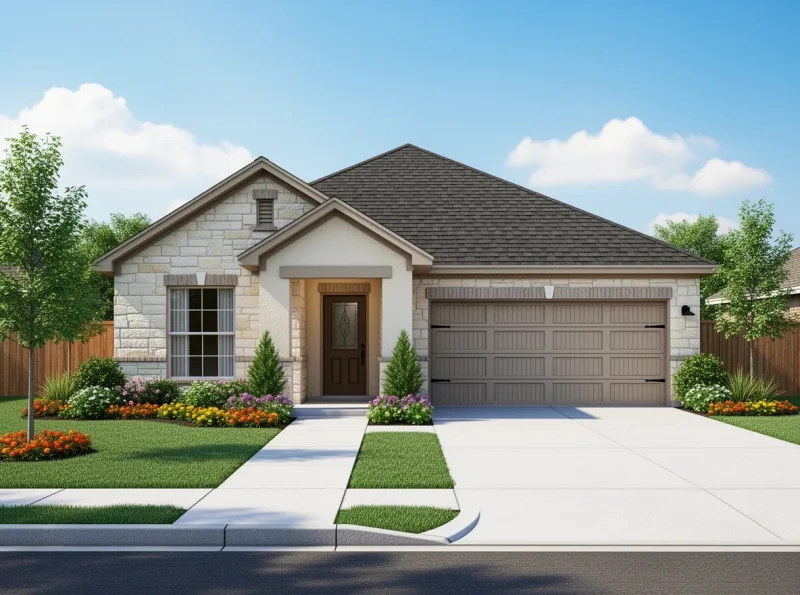
Buyers decide fast—often before they've seen every room. Walk from the curb to the front door and into the main living area as if you're seeing the home for the first time. What's the first scent? Where does the eye land? Is the entry welcoming or crowded? In San Antonio's bright light, small details read clearly: dusty exterior fixtures, a smudged storm door, or a porch that feels "storage-heavy."
Aim for an entry that feels open and calm. Clear the porch, swap a tired doormat, add a simple potted plant, and make sure the door hardware works smoothly. Inside, remove the "landing strip" clutter (shoes, bags, stacks of mail). This is not about making it sterile—it's about reducing friction so buyers can picture their own routine from the moment they step in.
2) Create curb appeal that signals low maintenance
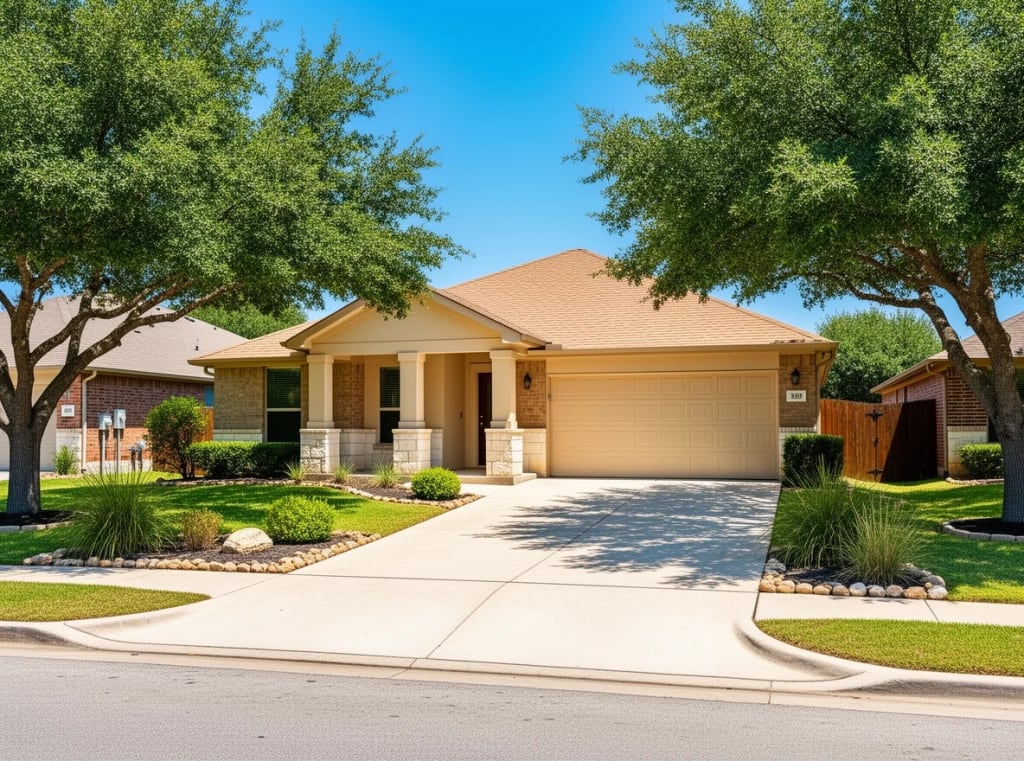
In a competitive showing schedule, curb appeal isn't just pretty; it's proof. Trim shrubs away from windows, edge the lawn, and refresh mulch in garden beds. Power wash walkways and the driveway if you can—Texas dust builds up quickly and makes surfaces look older than they are. If your exterior paint is generally fine, spot-paint trim and touch up scuffs around the garage and entry.
Small updates that often pay back: replacing a dated porch light, updating house numbers, or repainting the front door in a classic tone that fits your style. When buyers see neat landscaping and clean hardscapes, they assume the inside has been maintained with the same consistency.
3) Fix the "nagging stuff" before it becomes a negotiation
Loose doorknobs, slow drains, sticky windows, missing outlet covers—these issues rarely break a deal, but they stack into a story buyers don't like: "What else haven't they handled?" Knock out minor repairs in a single weekend or a short handyman visit. Then keep receipts and a simple list of what was done. That paper trail can help in inspection discussions later.
If your HVAC has been serviced, filters changed, or water heater maintained, gather those records too. In San Antonio's heat, comfort systems matter emotionally; a buyer who feels cool and confident in the home is more likely to write a strong offer and push fewer repair credits.
4) Paint strategically (not everywhere)
Fresh paint is one of the few prep moves that can make a home feel newer without changing a single layout. But you don't need to repaint the entire house. Prioritize the areas buyers scrutinize: the main living space, the entry, hallways, and any room with bold or highly personalized color. Choose a warm, light neutral that works with your flooring and fixed finishes.
Also consider touch-ups on baseboards and trim. In well-lit rooms, scuffed trim can make walls look dingy even when the paint color is nice. Clean lines communicate care, and care is a shortcut to trust.
5) Stage for flow and function, not "fancy"
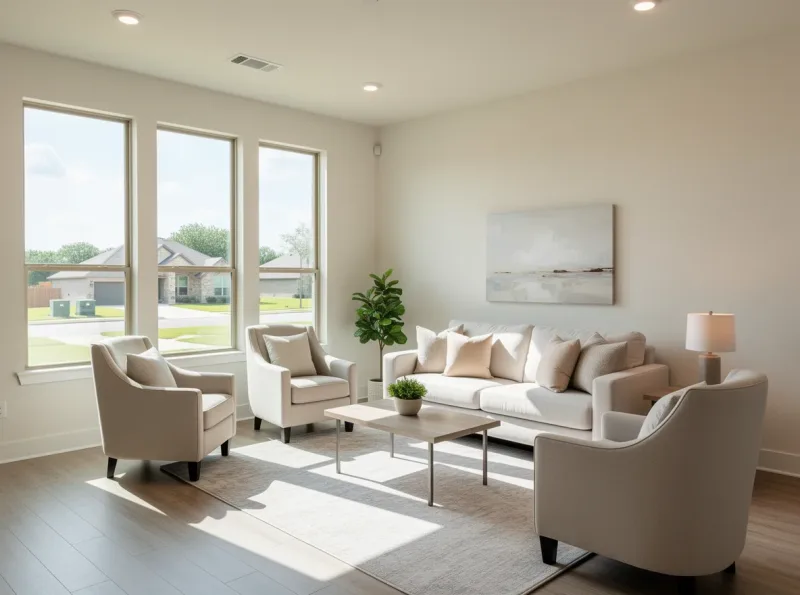
Staging is not about luxury furniture—it's about reducing decision fatigue. Buyers walk through dozens of homes online and in person. If they can immediately understand where the sofa goes, how the dining area functions, and whether the bedrooms fit their needs, they relax. When buyers relax, they offer with less hesitation.
Start by editing: remove oversized pieces, extra chairs, and anything that blocks walkways. In living rooms, float furniture to create a conversation area rather than pushing everything against walls. In bedrooms, use simple bedding and clear nightstands to signal calm. In open-concept spaces, define zones with rugs and lighting so the home feels intentional rather than "one big room."
And don't skip closets and pantries. Buyers open them. Aim for 20–30% empty space so storage reads as abundant. Clear bins and consistent hangers can make a modest closet look surprisingly generous.
6) Deep clean like photography is tomorrow (because it might be)
A true deep clean is a competitive advantage, especially when buyers are comparing similar floor plans. Focus on the high-impact "tell" areas: baseboards, ceiling fans, grout lines, stainless steel, mirrors, and windows. If pets live in the home, address odor sources directly—carpets, upholstery, and litter areas—rather than masking with heavy fragrance.
Clean doesn't just look better; it photographs better. In online listings, crisp, bright images earn more clicks and more showings. More showings increase the chance of overlapping interest—exactly what helps sellers receive stronger terms.
7) Upgrade lighting and hardware where it counts
You don't need a full fixture overhaul. Think in terms of "visual punctuation": entry light, dining fixture, and primary bath vanity light. Swap outdated bulbs for consistent color temperature throughout the home (many sellers prefer a warm white that still reads bright). Replace mismatched switch plates. If cabinet pulls are dated and easy to change, update them in kitchens and key baths.
These improvements work because they reduce "age cues." When buyers notice fewer dated elements, they assume fewer hidden costs—and that can translate into cleaner offers with fewer requests for credits.
8) Pre-list inspections and disclosures: reduce uncertainty
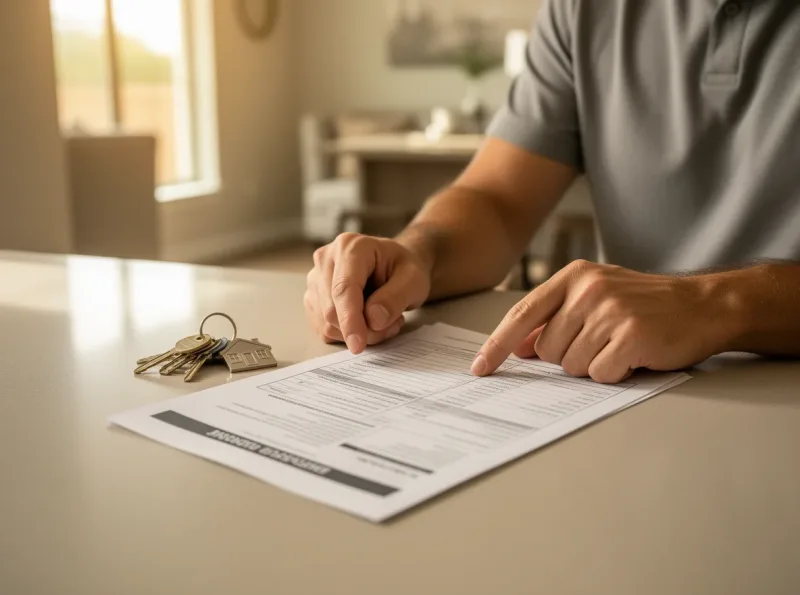
One of the smartest ways to boost offer quality is to shrink the unknowns. Consider a pre-list inspection (or at minimum, targeted evaluations for roof, HVAC, and foundation if you have concerns). Even if you don't fix everything, you can price and disclose with clarity, which often discourages lowball offers built on fear.
Prepare a simple "home info" packet: ages of major systems, recent improvements, utility averages if available, and any transferable warranties. In a city as diverse as San Antonio—where homes range from historic character to newer master-planned communities—helping buyers understand the property quickly can set you apart.
A quick prioritization checklist (if you're short on time)
- 48 hours: declutter entry + living areas, fix obvious small repairs, replace burned-out bulbs, clean windows and mirrors.
- 7 days: curb appeal refresh, deep clean, touch-up paint, stage key rooms for flow.
- 2–3 weeks: selective fixture/hardware updates, professional landscaping, pre-list inspection planning.
The goal isn't perfection—it's confidence
Great offers come from buyers who feel secure: secure that the home has been maintained, secure that surprises are unlikely, and secure that they'll be proud to live there. Thoughtful prep creates that emotional "yes" while also supporting the practical side of the transaction—appraisal, inspection, and timelines.
If you want a plan that fits your budget and your schedule, Mitchell Realty can help you focus on the changes that matter most for San Antonio buyers. With a team-based approach and a psychology-informed eye for buyer behavior, Estella Bermudes can guide you from "what should we do?" to "we're ready to list" with clarity—and a stronger chance at higher-quality offers.