

House hacking in San Antonio: real investing, real life, and a plan that won't take over your weekends
House hacking sounds like a flashy internet term, but the idea is refreshingly practical: you buy a home, live in it, and let part of it help pay the mortgage. In a city as diverse and fast-moving as San Antonio, Texas, USA, that can mean anything from a duplex near a medical corridor to a single-family home with an extra room that's truly separate and functional. The best part is you can start building long-term wealth without jumping straight into "full-time landlord" mode. With a clear setup and a few boundaries, this strategy can feel more like smart homeownership than a second job.

San Antonio's appeal for house hacking is the mix: military and medical employment hubs, universities, and a steady stream of newcomers who want flexible housing. That translates into consistent demand for roommates, mid-term renters, and tenants who value commute convenience. It also helps that many neighborhoods offer a range of housing types—new builds, older homes with character, and small multifamily properties—so you can choose a setup that matches your comfort level and budget. If you're nervous about sharing space, you're not alone; the goal is to design the arrangement so your home still feels like your home.
Before you choose a "method," pick your boundaries. Decide what you want privacy-wise (private entry? separate bathroom? quiet hours?), how hands-on you're willing to be (do you want to mow for everyone or keep responsibilities separate?), and what kind of renter you can comfortably live near. A good house hack works when the human side is planned as thoughtfully as the financing.
Below are five ways to start investing through house hacking in San Antonio—each with different levels of separation, setup cost, and day-to-day involvement.
1) Buy a duplex (or small multifamily) and live in one unit
This is the classic house hack, and it's popular for a reason. You occupy one unit and rent the other, which can offset a large portion of your monthly payment. The separation is built-in: two kitchens, two living areas, and a clean "end of day" boundary when you close your door. It can feel less like you're managing a household together and more like you simply live next to a tenant.
Practical tips: prioritize sound separation, parking, and laundry setup; small things like these have an outsized effect on tenant satisfaction. Also plan for reserves—multifamily maintenance can arrive in "packages" (roof + HVAC + plumbing) rather than single surprises.
Why it works in San Antonio: renter demand often follows major employment anchors and commute-friendly corridors, so a well-located duplex can stay resilient even when the market shifts.
2) Rent out spare bedrooms—without turning your life into a group project
If a duplex isn't in the cards, a spare-room strategy can still be a powerful start. The key is to make it structured: a written agreement, clear expectations, and a layout that gives everyone breathing room. Think "intentional co-living," not "crash pad." If your home has two living areas, or a bedroom wing separated from the primary suite, you can preserve a strong sense of privacy.
Boundary upgrade: set house rules once (quiet hours, guest policy, shared supplies) and then automate the rest—digital rent payments, a shared chore schedule, and a single point of contact for repairs. If you're working with a team-based service like Mitchell Realty, ask for neighborhood-specific guidance on what renters prioritize so you can price fairly and choose a layout that attracts the right fit.
3) Choose a home with a truly functional "in-law" suite layout
Not all extra space is created equal. A converted garage with a mini-fridge is not the same as a suite with a private entrance, a small kitchenette, and a dedicated bathroom. In San Antonio, you'll find homes with additions, casitas, or flexible floorplans that can work beautifully when designed for separation. This can be an excellent middle ground: you live on-site, but day-to-day interactions can be minimal.

What to check before you buy: parking access, mailbox logistics, utility metering (or at least practical ways to split costs), and whether the suite feels like a home rather than an afterthought. It's also wise to research local rules and HOA restrictions early so your plan matches what's actually allowed.
Lifestyle angle: this approach is ideal if you want to keep enjoying the city—weekend museum trips, missions and trails, live events, and a quick drive to Hill Country scenery—without constantly feeling "on duty." If the unit is self-contained, your role becomes closer to a homeowner who collects rent, not a host who manages daily needs.
School and neighborhood considerations: even if you don't have kids, strong school zones and well-kept community amenities tend to support resale value. Parks, trail access, and easy grocery runs matter to renters too—convenience is a rent driver.
4) Try a mid-term rental strategy aimed at traveling professionals
If the idea of a new roommate every year sounds like a grind, consider mid-term rentals (often 1–6 months). San Antonio's economy includes healthcare, education, and corporate travel, which can create demand for furnished, flexible housing. The advantage is often fewer turnovers than short stays and more predictability than nightly bookings—while still commanding a premium for convenience and furniture.
How to keep it low-stress: keep furnishing simple and durable, create one "owner's closet" for supplies, and use a professional cleaning routine between stays. It's also helpful to choose a property where the rental space has a separate entrance, because privacy is what keeps mid-term rentals feeling sustainable when you live on-site.
Reality check: this method can involve more coordination than a traditional year-long lease. The trade-off is flexibility—if you later want the space back for family, a home office, or a new life chapter, you're not locked in long-term.
5) Use a "live-in flip-light" approach: add value while you live there, then repeat
House hacking isn't only about rent. Another path is buying a home that needs cosmetic improvements, living in it while you make smart upgrades, and then moving on when the numbers make sense. In a growing city, thoughtful updates—flooring, paint, lighting, landscaping, and kitchen/bath refreshes—can meaningfully improve value without the chaos of a full renovation. If you also rent a room or suite during the process, you're stacking benefits: rental offset plus appreciation.
Keep it sane: avoid projects that stop your home from functioning (major plumbing relocations, full gut jobs) unless you have experience and time. Focus on improvements that make the home feel calmer and more livable—because you're the one living there.
How to house hack without "feeling like a landlord"
Most burnout comes from unclear expectations and too much proximity. Start with screening and communication, then set your system: written lease terms, a maintenance plan, and a simple way to handle issues. If you're someone who naturally absorbs stress, this is where a psychology-informed approach can help—clear boundaries are not cold; they're protective. Agent Estella Bermudes and the team at Mitchell Realty often emphasize that the best investing strategies are the ones you can emotionally sustain, not just the ones that look best on a spreadsheet.
 momentum—you just have to be intentional. If you want help matching a house-hack strategy to your budget, lifestyle, and comfort level, a
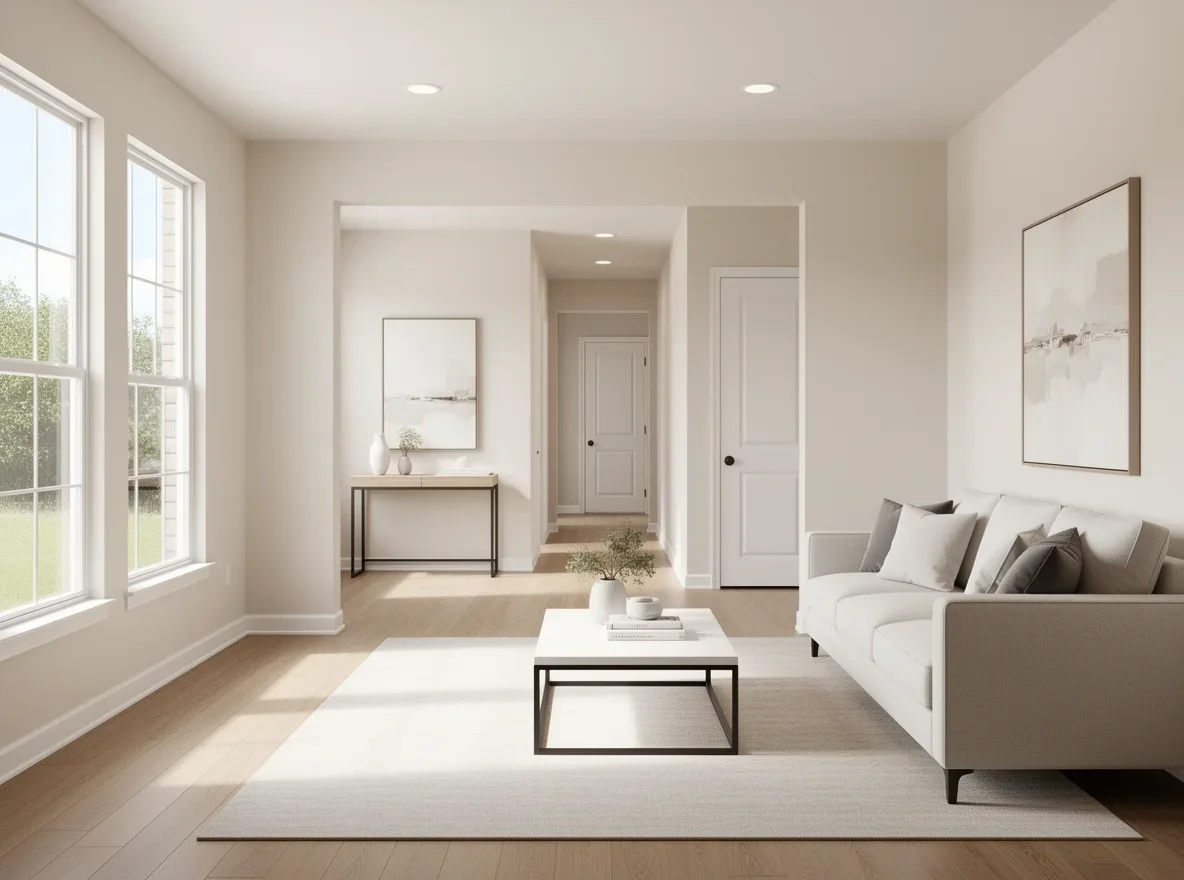
Also, choose your "comfort-forward" amenities. Dedicated parking reduces daily friction. A fence and defined outdoor zones help everyone feel like they have space. A lockable interior door between living areas can turn one home into two distinct experiences. Small design choices—sound dampening, room placement, lighting—often do more for harmony than any rulebook.
Finally, remember that San Antonio offers multiple lifestyle lanes: historic neighborhoods with personality, newer master-planned communities with amenities, and areas closer to major employers for easier commutes. Your best house hack is the one that supports your routines—morning coffee, gym, trail walks, quick errands—because the strategy only works if you stay put long enough to benefit.
Closing thoughts
House hacking is a way to start investing with training wheels: you learn the basics of property ownership, renter expectations, and cash flow—while still living in the asset you're improving. In San Antonio, Texas, USA, that can look like a duplex, a suite-style layout, a structured roommate plan, or a value-add home you polish over time. When you pair smart numbers with clear boundaries, you don't have to "be a landlord" to build team-based approach like Silverback Realty can make the process feel less overwhelming and more like a plan you can actually live with.