
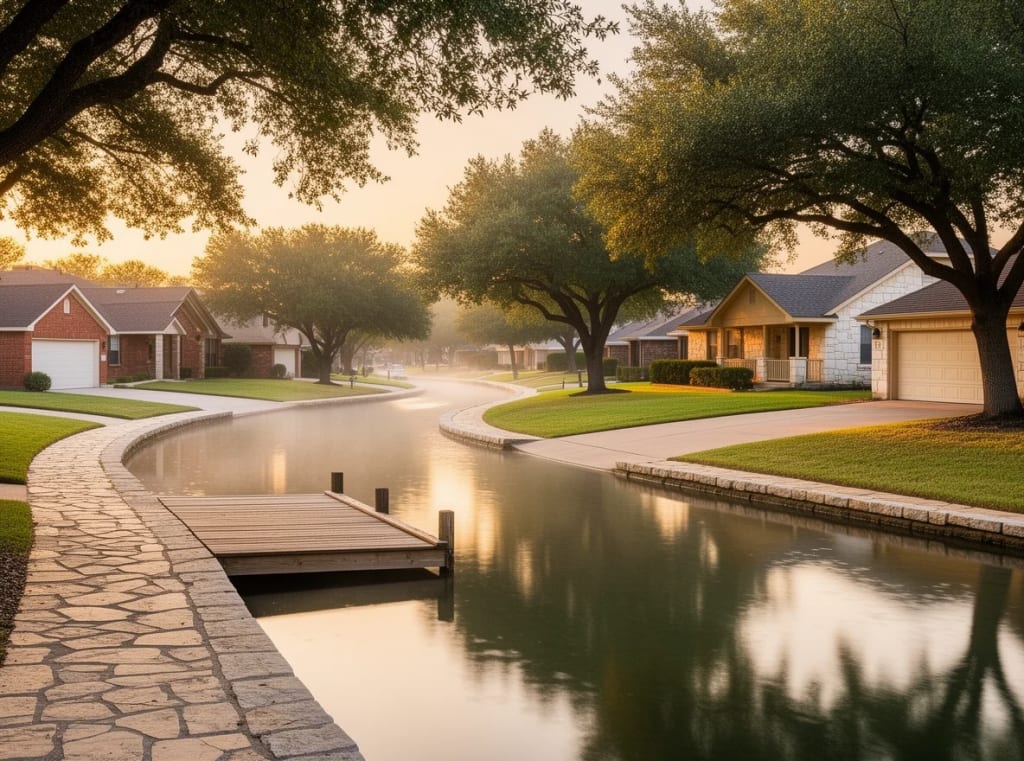
7 San Antonio Neighborhood Vibes: Match Your Lifestyle in 10 Minutes
Choosing a neighborhood in San Antonio can feel like picking a favorite taco—there are too many good options, and the "right" one depends on your mood and routine. The good news: you don't need months of research to narrow it down. If you know how you like to spend a Saturday morning, what your commute tolerance is, and whether you want quiet streets or a social buzz, you can get surprisingly close in about 10 minutes. Below are seven distinct "vibes" to help you sort the city into places that fit you, not just a zip code.

How to use this guide: Read each vibe and ask yourself three quick questions: (1) Do I want to be near action or tucked away? (2) Am I optimizing for schools, walkability, or space? (3) What kind of "after work" life do I actually live—patio evenings, gym-and-groceries, or early mornings on trails? San Antonio is famously neighborhood-driven, and even areas a few miles apart can feel like different worlds.
As you skim, keep in mind that the market here often rewards clarity. When you know your non-negotiables (garage, yard, newer build, character homes, proximity to major employers), your home search gets faster and less stressful. And if you're selling, understanding the neighborhood's vibe helps you highlight the lifestyle a buyer is hoping to buy, not just the square footage.
1) The "Walk-When-I-Can" Urban Vibe (Pearl / River-adjacent energy)
This vibe fits people who like to pop out for an evening stroll, meet friends in a lively public space, and keep weekends spontaneous. Think: pocket parks, bike paths, and a sense that something is always happening nearby—even if you're still driving for most errands. Homes in these pockets often range from modern condos and townhomes to renovated historic properties, so you'll want to weigh charm versus maintenance and HOA structures.
Best for: professionals, creatives, and anyone who wants community energy without needing a giant yard.
2) The "Classic San Antonio Character" Vibe (Older neighborhoods with mature trees)
If you love architectural personality—arched doorways, unique floorplans, and streets that feel established—this vibe delivers. These areas can offer a strong sense of community identity and long-time local pride. The tradeoff can be older systems (plumbing, electrical, foundations), so inspections and renovation budgets matter. The reward is that you often get a home that feels one-of-a-kind and a neighborhood that feels "rooted."
Quick check: If you'd rather spend weekends exploring museums, parks, and local events than mowing a large lawn, you'll probably enjoy this lane.
3) The "Family Hub" Vibe (Northeast / Northwest suburban convenience)
This is the practical, well-rounded choice for many buyers: predictable commutes, lots of grocery options, recreation centers, and a wide range of housing styles. You'll see everything from starter homes to larger two-story layouts with flexible rooms for work-from-home life. School zoning can heavily influence values and competition, so it's smart to map your priorities early and stay flexible on cosmetic features—paint is easier to change than location.
- Look for: parks, sports fields, libraries, and easy highway access
- Expect: more inventory variety, with pricing that responds quickly to interest rates and seasonality
4) The "Newer Build & Amenities" Vibe (Master-planned neighborhoods)
If you want a home that feels turnkey—open kitchens, modern finishes, energy efficiency—newer communities can be a relief. Many feature trails, playgrounds, pools, and community calendars that make it easier to meet neighbors. The key decision points are lot size, HOA rules, and how far you are from the parts of San Antonio you frequent most. This vibe is especially appealing if you like predictable upkeep and a clean, contemporary baseline.
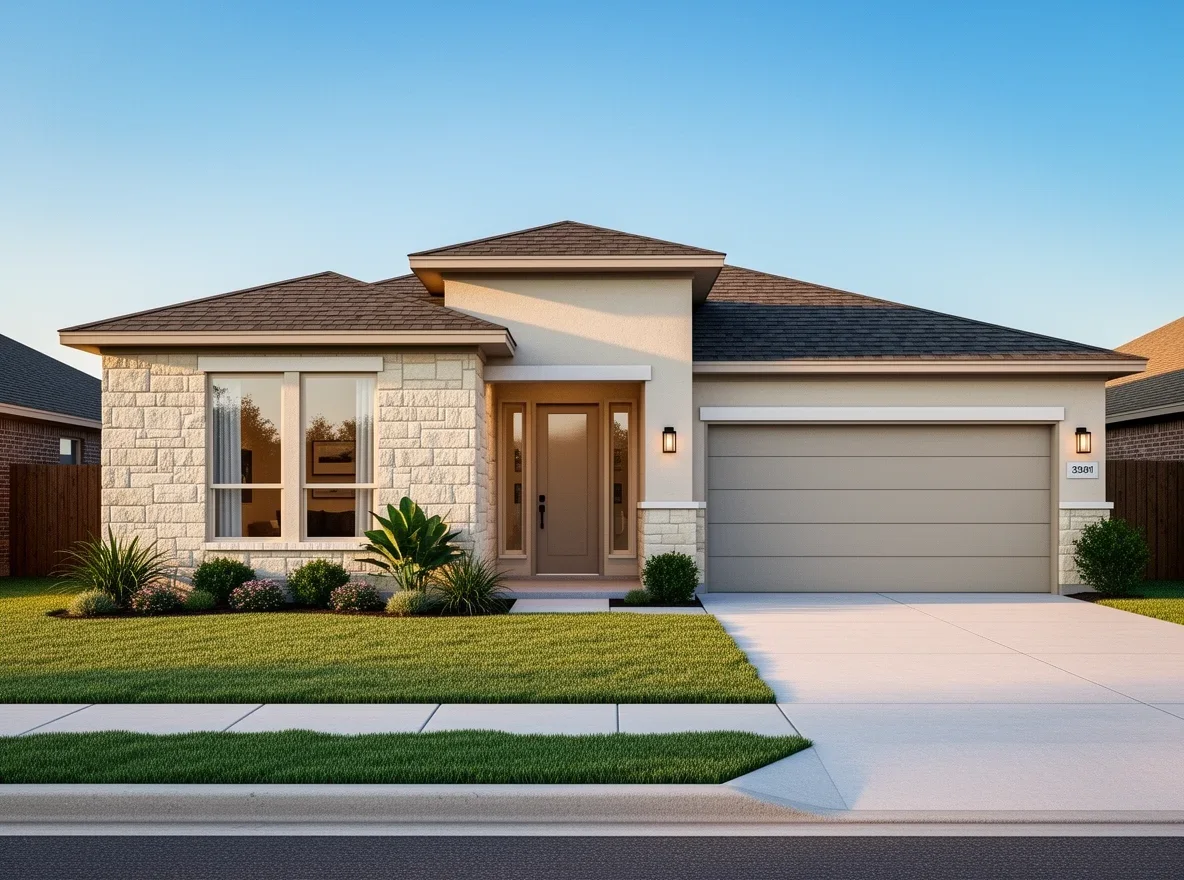
From a market perspective, newer builds can hold value well when they're near employment corridors and everyday conveniences. They can also be easier to compare—similar floorplans, similar finishes—so pricing tends to be more transparent. On the flip side, that comparability means your home needs to be especially well-presented when it's time to sell; small upgrades and strong staging can make a noticeable difference.
Best for: buyers who want to unpack once, set up routines quickly, and spend weekends doing things besides home projects.
Don't forget the "micro" factors: traffic patterns at school drop-off, sound near major roads, and sun exposure in the backyard. In San Antonio heat, shade is not just a nice-to-have—it's quality-of-life.
5) The "Hill Country Edge" Vibe (Space, views, and breathing room)
When you crave a little more land, a little more sky, and the feeling that your home is a retreat, you're probably looking toward the Hill Country side of the metro. This vibe can mean larger lots, more privacy, and sunsets that make you slow down. It may also mean longer drives for errands and fewer "walkable" moments—so it works best if your home life is the destination: grilling, gardening, hosting, or simply enjoying quiet.
Heads-up: With larger properties, pay attention to water considerations, septic systems, and ongoing maintenance costs. The lifestyle is incredible, but it's different from city living.
6) The "Military-Connected & Commute-Smart" Vibe (Base access and mobility)
San Antonio's military presence shapes entire pockets of housing demand. If quick access to bases and major routes matters, there are neighborhoods designed around that rhythm—efficient commutes, practical floorplans, and strong rental demand in certain corridors. This vibe can be ideal for buyers thinking about future flexibility, whether that's relocation timelines or keeping the home as an investment later.
Best for: service members, civilian employees, and anyone who values commute reliability over being in the center of nightlife.
7) The "Local Flavor & Weekend Explorer" Vibe (Southtown-adjacent artsy energy)
This vibe is for people who want their city to feel textured—murals, galleries, small events, and a calendar that always has something interesting. Housing can be a mix: renovated bungalows, smaller footprints, and pockets of newer construction that blend into an older grid. If you like a place that feels expressive and a little unexpected, you'll likely feel at home here.

Because these areas can be block-by-block, it helps to visit at different times of day. Listen for traffic, check parking patterns, and notice how it feels when you step out of the car. Real estate here is as much about rhythm as it is about price—some buyers want a quieter pocket two streets off the action, while others want to be close enough to walk whenever they can.
Pro tip: If you're deciding between two vibes, write down what you do most weeknights. That's usually the tie-breaker.
A 10-minute decision checklist
- Weeknight reality: Do you go out, or do you recharge at home?
- Space needs: Yard, garage, guest room, home office—rank them.
- Noise tolerance: Do you prefer quiet streets or lively surroundings?
- Maintenance style: Love projects, or want turnkey?
- Future flexibility: Could this home work as a rental later?
At Mitchell Realty, Estella Bermudes brings a team-based approach that makes neighborhood comparisons simpler—especially when you're balancing timing, budget, and a long list of "wouldn't it be nice if…" details. With a background in psychology, she's also skilled at helping buyers and sellers clarify what actually matters (and what's just decision fatigue talking). If you tell us your daily routine and your ideal weekend, we can usually point you toward two or three neighborhoods that match your vibe—and then let the homes do the rest of the convincing.